
The Impact of Seasonal Changes on Fruit and Vegetable Trading in the Middle East


Introduction
The Middle East, with its diverse climate and geography, presents unique challenges and opportunities in the trade of fruits and vegetables. As the seasons change, so do the dynamics of supply and demand, impacting everything from pricing to availability. Understanding these shifts is crucial for traders, consumers, and policymakers alike.
Seasonal Availability
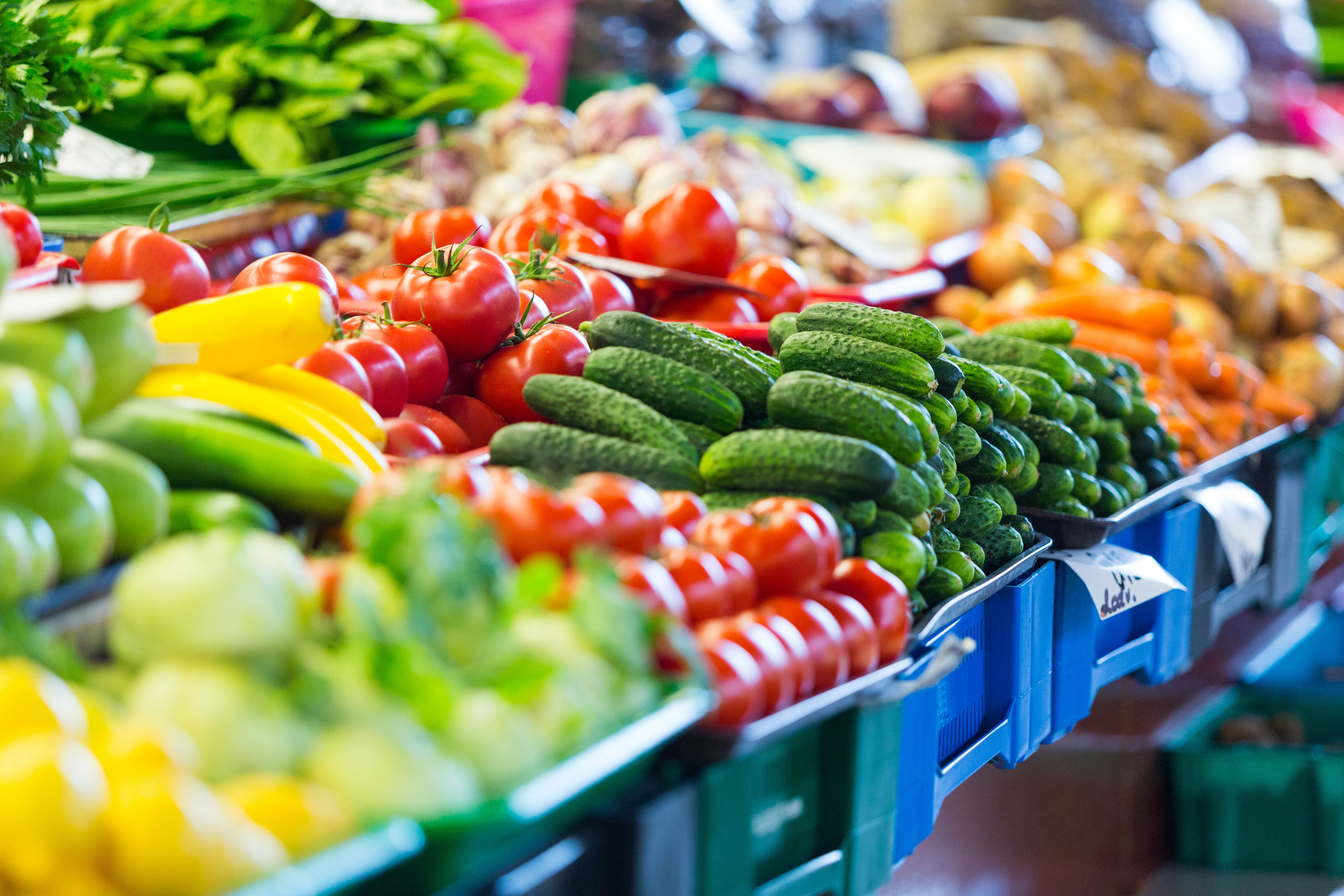
Seasonal changes significantly influence the availability of various fruits and vegetables. In the Middle East, countries like Egypt and Turkey play a pivotal role in the supply chain, with their fertile lands producing abundant crops in specific seasons. For instance, citrus fruits thrive in the mild winters, whereas summer is ideal for crops like tomatoes and cucumbers.
Traders must adapt to these seasonal patterns to maximize profits and ensure a steady supply. Importing from regions with counter-seasonal production, such as South America, is a common strategy to maintain availability year-round.
Impact on Pricing
Seasonal fluctuations heavily impact the pricing of fruits and vegetables. During peak production times, prices tend to drop due to increased supply. Conversely, off-season periods see a rise in prices as scarcity sets in. Understanding these trends helps traders make informed decisions and manage their inventory efficiently.
Consumer Preferences
Consumer preferences in the Middle East also shift with the seasons. In the warmer months, there's a higher demand for refreshing fruits like watermelons and melons, while root vegetables are preferred during cooler times. These preferences influence purchasing behavior and, consequently, trading strategies.
The cultural significance of certain fruits and vegetables during religious festivals also plays a role. For example, dates are in high demand during Ramadan, impacting trade dynamics significantly.
Logistical Challenges
Transporting perishable goods like fruits and vegetables requires careful planning, especially when dealing with seasonal variations. The Middle East's diverse climate means that logistical strategies must be flexible and adaptive to changing weather conditions. Efficient cold chain solutions are vital to minimize losses and maintain quality.

Technological Innovations
Advancements in agricultural technology are helping to mitigate the impact of seasonal changes. Controlled environment agriculture, such as greenhouses, allows for the cultivation of certain crops year-round. This technology is gaining traction in the Middle East, providing more consistency in supply.
Moreover, improved forecasting tools enable traders to anticipate seasonal shifts better, allowing for more strategic planning and inventory management.
Sustainability Considerations
As the demand for fruits and vegetables continues to grow, sustainability becomes a critical concern. Seasonal trading practices that promote local and regional production can help reduce the carbon footprint associated with long-distance transportation. Encouraging sustainable practices ensures the long-term viability of the industry in the Middle East.
Ultimately, the interplay between seasonal changes and fruit and vegetable trading in the Middle East is a complex but fascinating subject. By understanding and adapting to these dynamics, stakeholders can navigate the challenges and seize the opportunities presented by this ever-evolving market.