
Sustainable Agriculture: How Dubai is Leading the Middle East


Introduction to Sustainable Agriculture in Dubai
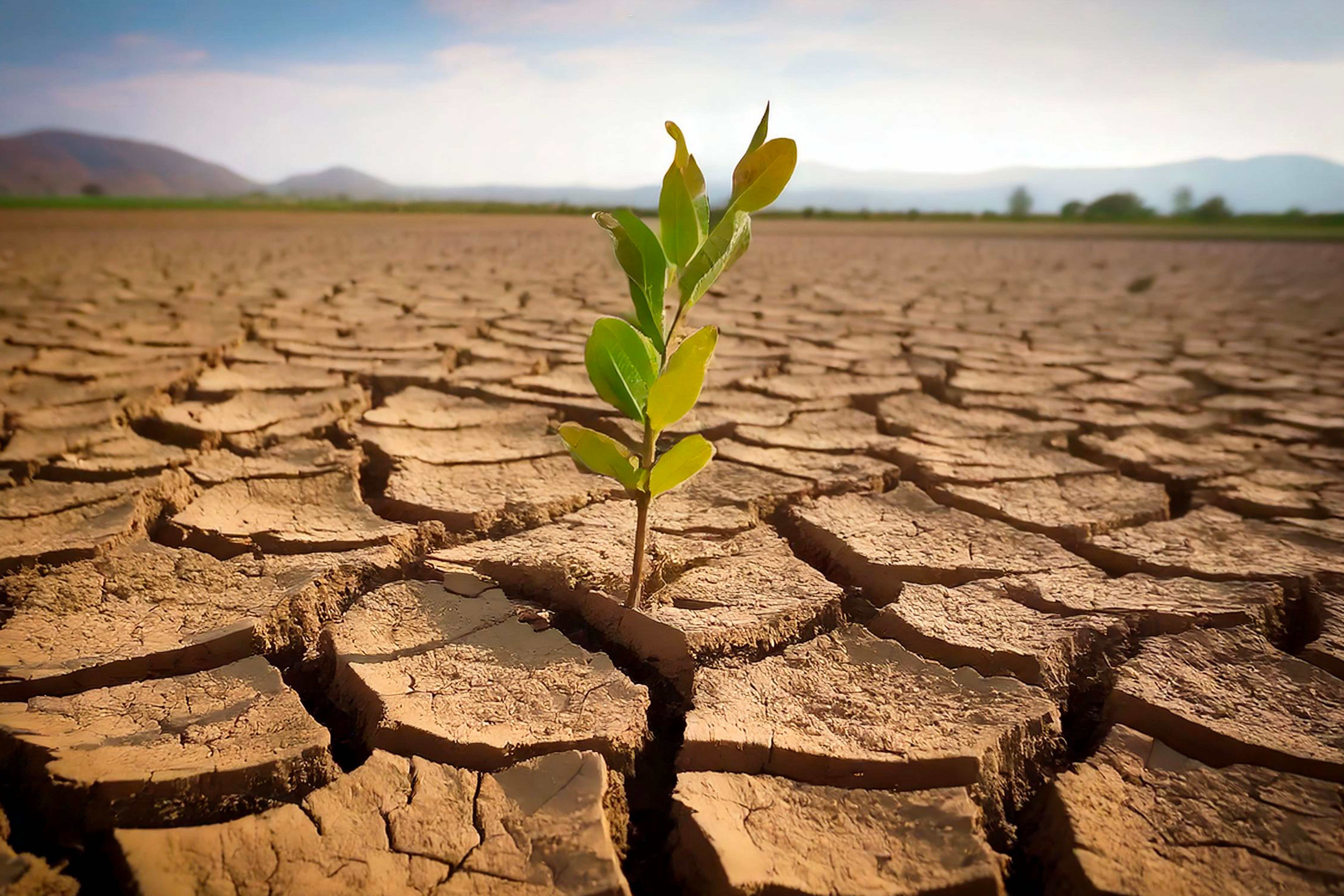
Dubai, renowned for its towering skyscrapers and luxurious lifestyle, is now making headlines for something quite unexpected: sustainable agriculture. In a region where arid desert landscapes dominate, Dubai is pioneering efforts in sustainable farming that could transform the Middle East.
Through innovation and technology, Dubai is tackling the challenges posed by its environment to create a thriving agricultural sector. This commitment not only supports local food production but also positions the city as a leader in sustainable practices.
Technological Innovations
Hydroponics and Vertical Farming
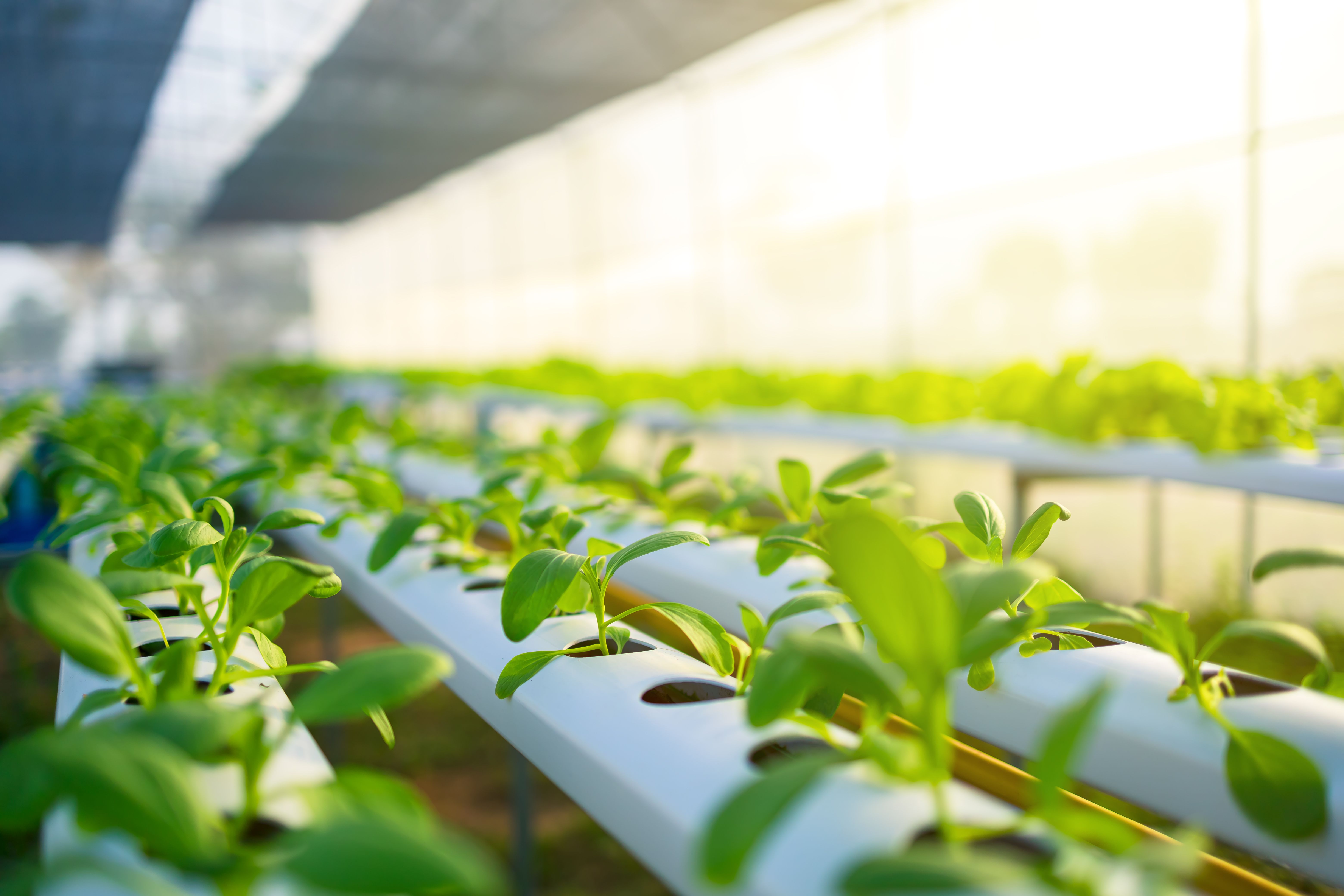
One of the key innovations in Dubai's agricultural revolution is the use of hydroponics and vertical farming. These methods allow plants to grow without soil, using nutrient-rich water instead. Vertical farming maximizes space by stacking plants vertically, making it ideal for urban areas.
The benefits are significant: reduced water usage, increased yield, and the ability to grow crops year-round. This technology is particularly beneficial in Dubai, where water scarcity is a crucial issue.
Desalination and Water Recycling
Given its desert climate, effective water management is essential for sustainable agriculture in Dubai. The city is investing in desalination and water recycling projects to provide a reliable water source for farming. These advancements ensure that agriculture can thrive without depleting natural resources.
Government Initiatives
Policies and Support
The government of Dubai is actively supporting sustainable agriculture through various initiatives. Policies that promote research and development in agricultural technology have been implemented, along with financial incentives for startups in the sector.
This proactive approach has encouraged local and international businesses to invest in Dubai’s agricultural landscape, driving innovation and growth in sustainable practices.
Education and Training
To sustain this momentum, the government is also focusing on education and training. Programs aimed at educating farmers and agribusiness professionals on sustainable practices are being developed. These initiatives are crucial for long-term success and the adoption of new technologies.

Impact on the Middle East
Dubai's efforts are setting a precedent for the rest of the Middle East. By demonstrating that sustainable agriculture is viable even in desert climates, Dubai is inspiring neighboring countries to explore similar initiatives.
This regional impact is significant, as it can lead to increased food security, economic diversification, and reduced environmental impact across the Middle East.
Conclusion
In conclusion, Dubai is not just a hub for tourism and business but is also emerging as a leader in sustainable agriculture. Through technological innovation, government support, and regional influence, the city is paving the way for a more sustainable future in the Middle East.
As other regions look to adopt similar practices, Dubai's model of sustainable agriculture could become a blueprint for success in challenging environments worldwide.