
Seasonal Insights: Best Times to Import Vegetables to the Middle East


Understanding the Middle Eastern Market
The Middle East is a thriving region with a diverse climate that influences the agricultural sector significantly. Importing vegetables into this market requires a keen understanding of seasonal patterns, consumer preferences, and logistical considerations. By aligning imports with the seasonal demands, businesses can maximize profits and ensure a steady supply to meet consumer needs.

Climatic Considerations
The Middle East experiences extreme weather conditions, with scorching summers and mild winters. These climatic variations play a crucial role in determining the best times to import vegetables. Importers should focus on bringing in vegetables during the hotter months when local production is limited. This ensures that fresh produce is available throughout the year, particularly during times when local supplies dwindle.
Consumer Demand and Preferences
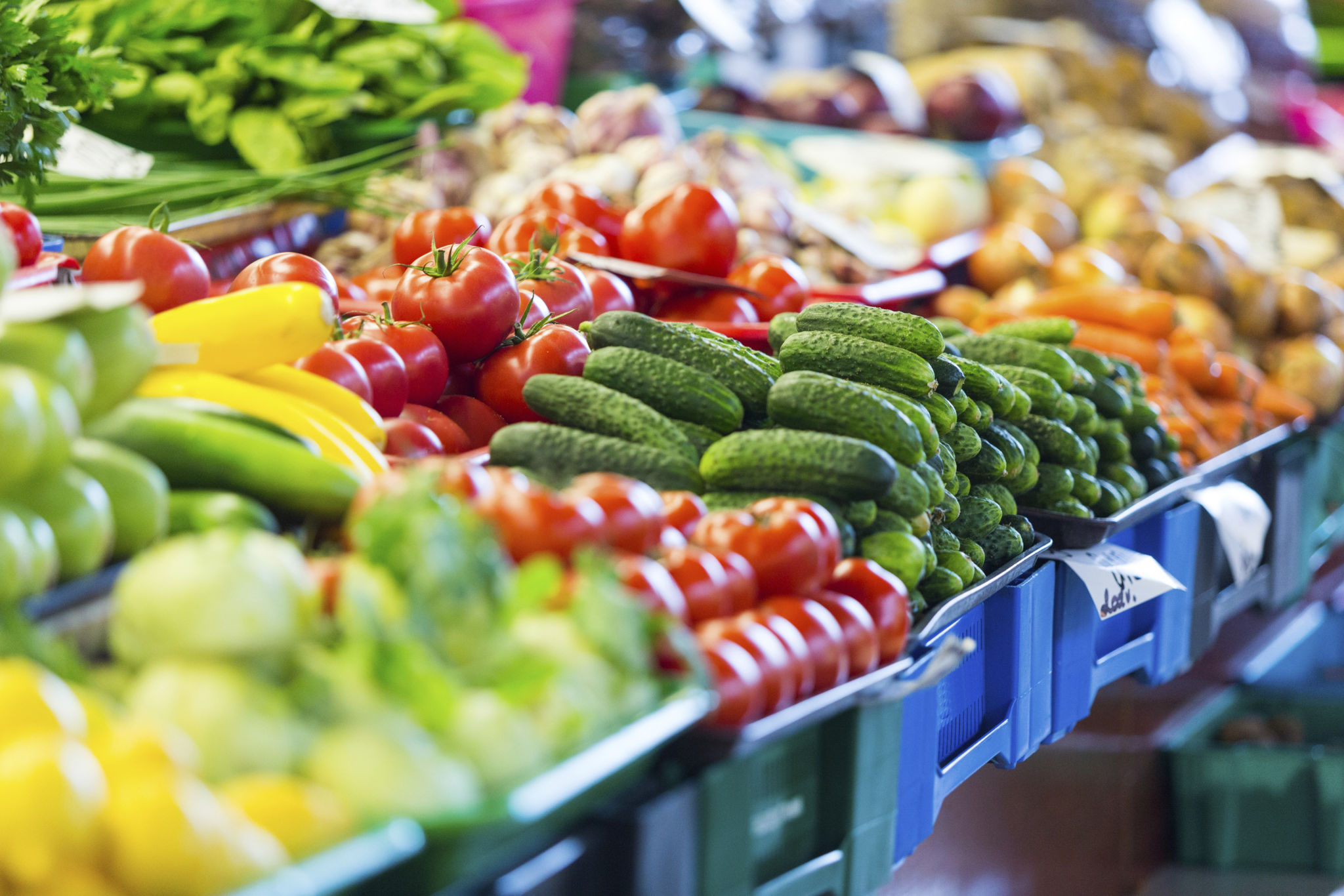
Understanding consumer demand is paramount. During certain times of the year, such as Ramadan, the demand for fresh produce spikes. Importers should capitalize on these periods by ensuring a steady supply of fresh vegetables. Popular vegetables like tomatoes, cucumbers, and bell peppers are in high demand during these festive seasons.
Logistical Challenges and Solutions
Importing vegetables to the Middle East involves navigating various logistical challenges, such as customs regulations, transportation, and storage. It is essential to partner with reliable logistics providers who understand the regional nuances. Efficient cold chain management is also crucial to maintain the freshness of the produce during transit.
Optimal Import Seasons
To optimize the import process, businesses should focus on specific seasons:
- Spring (March to May): This is an ideal time to import leafy greens and other sensitive vegetables.
- Summer (June to August): Focus on importing heat-resistant vegetables such as squash and eggplants.
- Fall (September to November): A great season for root vegetables like potatoes and carrots.
- Winter (December to February): Import a variety of vegetables, as local production is minimal.

Leveraging Technology
Technology plays a significant role in streamlining the import process. Utilizing advanced tracking systems ensures that shipments are monitored in real-time, reducing the risk of delays and spoilage. Additionally, data analytics can provide insights into market trends, helping businesses make informed decisions on import volumes and timing.
Conclusion
In conclusion, importing vegetables to the Middle East requires a strategic approach that considers seasonal patterns, consumer preferences, and logistical challenges. By planning imports around these factors, businesses can ensure a consistent supply of fresh produce, capitalize on peak demand periods, and ultimately enhance profitability. Staying informed about regional trends and leveraging technology will further strengthen the import strategy, making it more efficient and effective.