
Seasonal Fruits and Vegetables: What to Import in the Middle East


Understanding the Importance of Seasonal Imports
In the Middle East, the demand for fresh, high-quality produce is continuously growing. Importing seasonal fruits and vegetables plays a crucial role in meeting this demand, ensuring availability, and enhancing the variety of options for consumers. Importing seasonal products not only supports local markets but also offers economic benefits by taking advantage of favorable growing conditions in other regions.
Choosing the right fruits and vegetables to import during specific seasons can significantly impact both consumers and businesses. By understanding the best options to import, businesses can ensure that they provide their customers with the freshest produce possible.

Winter Imports: A Fresh Start
The winter months present a great opportunity to import a range of fruits and vegetables that thrive in cooler climates. During this period, the Middle East can benefit from importing:
- Citrus Fruits: Oranges, lemons, and grapefruits are abundant in winter, offering a boost of vitamin C.
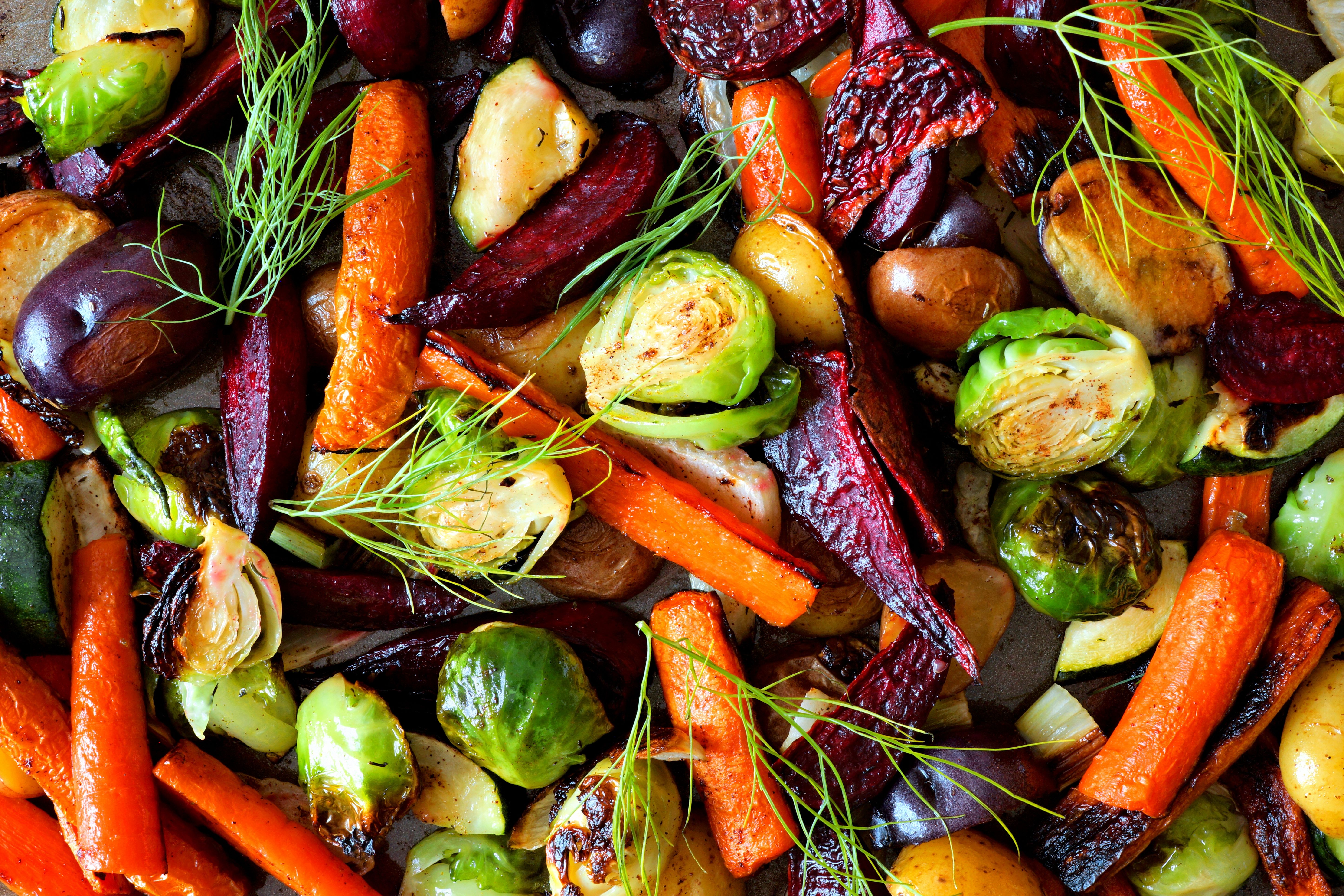
- Root Vegetables: Carrots, beets, and turnips are perfect for hearty winter dishes.
- Leafy Greens: Spinach and kale are nutritious options that flourish during cooler months.
Benefits of Winter Imports
Importing these seasonal products ensures consistent supply, enhances dietary variety, and can even help reduce costs due to their abundance in exporting countries. Additionally, these imports can support local health with nutrient-rich options during the colder season.
Spring Selections: A Burst of Color
As the temperatures begin to rise, the Middle East can look to import fresh, vibrant produce from regions experiencing spring. Some excellent choices include:
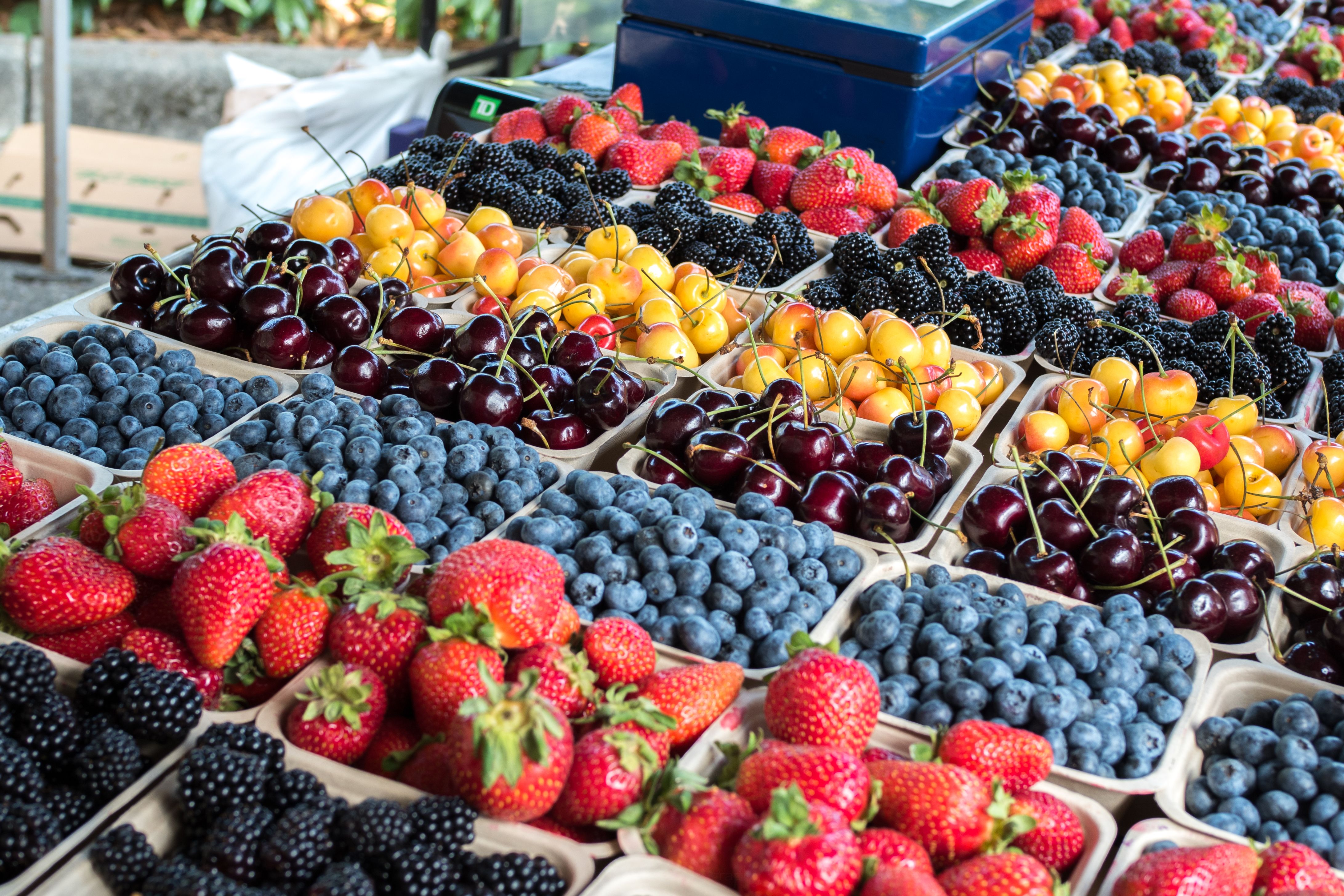
- Berries: Strawberries, blueberries, and raspberries add sweetness and color to many dishes.
- Asparagus: This versatile vegetable is a springtime favorite.
- Artichokes: A unique and flavorful addition to any menu.
The arrival of spring produce brings a sense of renewal and freshness, appealing to consumers looking to enjoy lighter, more colorful meals.

Summer Selections: Sweet and Juicy
Summer is synonymous with an abundance of sweet and juicy fruits. Importing from regions that experience summer during the Middle East's hotter months can include:
- Melons: Watermelons and cantaloupes are refreshing treats perfect for beating the heat.
- Stone Fruits: Peaches, plums, and apricots are popular choices for their sweetness.
- Tomatoes: A staple in many cuisines, offering juicy flavor and versatility.
Why Summer Imports Matter
These imports can provide relief from the summer heat and offer consumers a taste of freshness. The vibrant flavors and textures of summer produce are ideal for a variety of dishes, from salads to desserts.
Autumn Abundance: A Harvest of Options
During autumn, the focus shifts to heartier produce that complements the season's flavors. Importing from regions where autumn is in full swing can include:
- Apples and Pears: These fruits are perfect for both sweet and savory dishes.
- Pumpkins and Squash: Essential ingredients for autumn-inspired recipes.
- Brussels Sprouts: A nutritious and versatile vegetable.
The diversity of autumn produce allows for creativity in the kitchen, providing consumers with comforting and satisfying meal options.
Conclusion: Strategic Import Planning
By strategically planning the import of seasonal fruits and vegetables, businesses in the Middle East can capitalize on both the nutritional benefits and economic advantages of these imports. Staying attuned to global growing seasons ensures that consumers enjoy the freshest produce year-round, enhancing their culinary experiences and supporting a healthy lifestyle.