Global Fruit Exporters: Bridging Markets Between the Middle East and Beyond


In the dynamic world of international trade, the role of global fruit exporters is pivotal in connecting diverse markets. These exporters act as a bridge, facilitating the flow of fresh produce from the Middle East to various parts of the world. The fruit export industry not only boosts economic growth but also enhances global food security.
The Middle East, with its strategic geographical location, serves as a crucial hub for fruit exportation. Countries like the UAE and Saudi Arabia are leveraging their advanced logistics and infrastructure to strengthen their position in the global fruit market. This region is uniquely positioned to export a variety of fruits, including dates, citrus, and pomegranates.
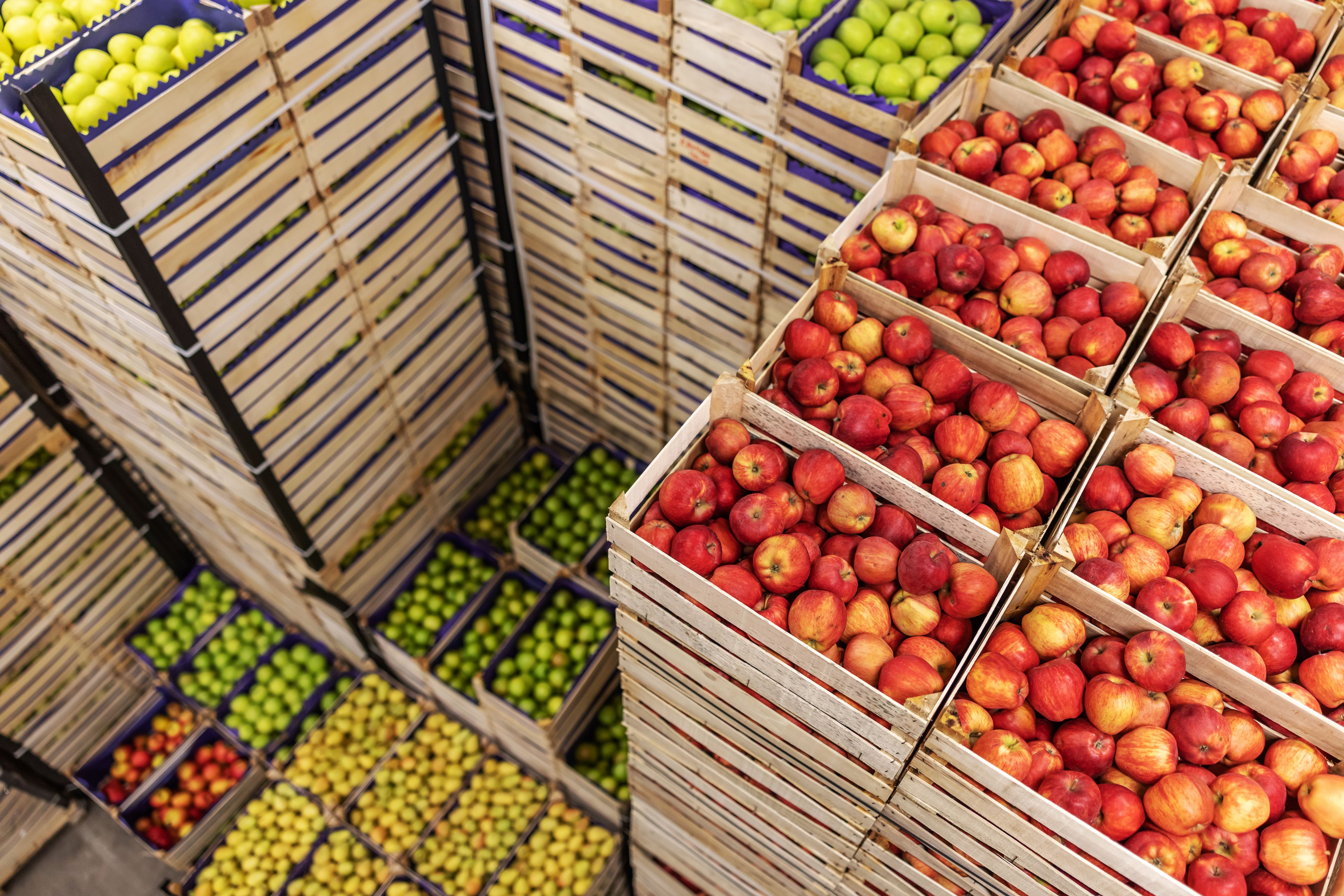
Understanding the Middle Eastern Market
The Middle Eastern fruit market is characterized by its diversity and abundance. The region's climate allows for the cultivation of a wide range of fruits, making it a vital player in the global export scene. Local producers are increasingly adopting modern agricultural practices to improve yield and quality, thus enhancing their competitiveness on the international stage.
Moreover, governmental support in several Middle Eastern countries is driving growth in the agricultural sector. Investments in technology and infrastructure are making it easier to maintain the quality of produce during storage and transportation. This commitment to quality is opening new opportunities for exporters to access premium markets.
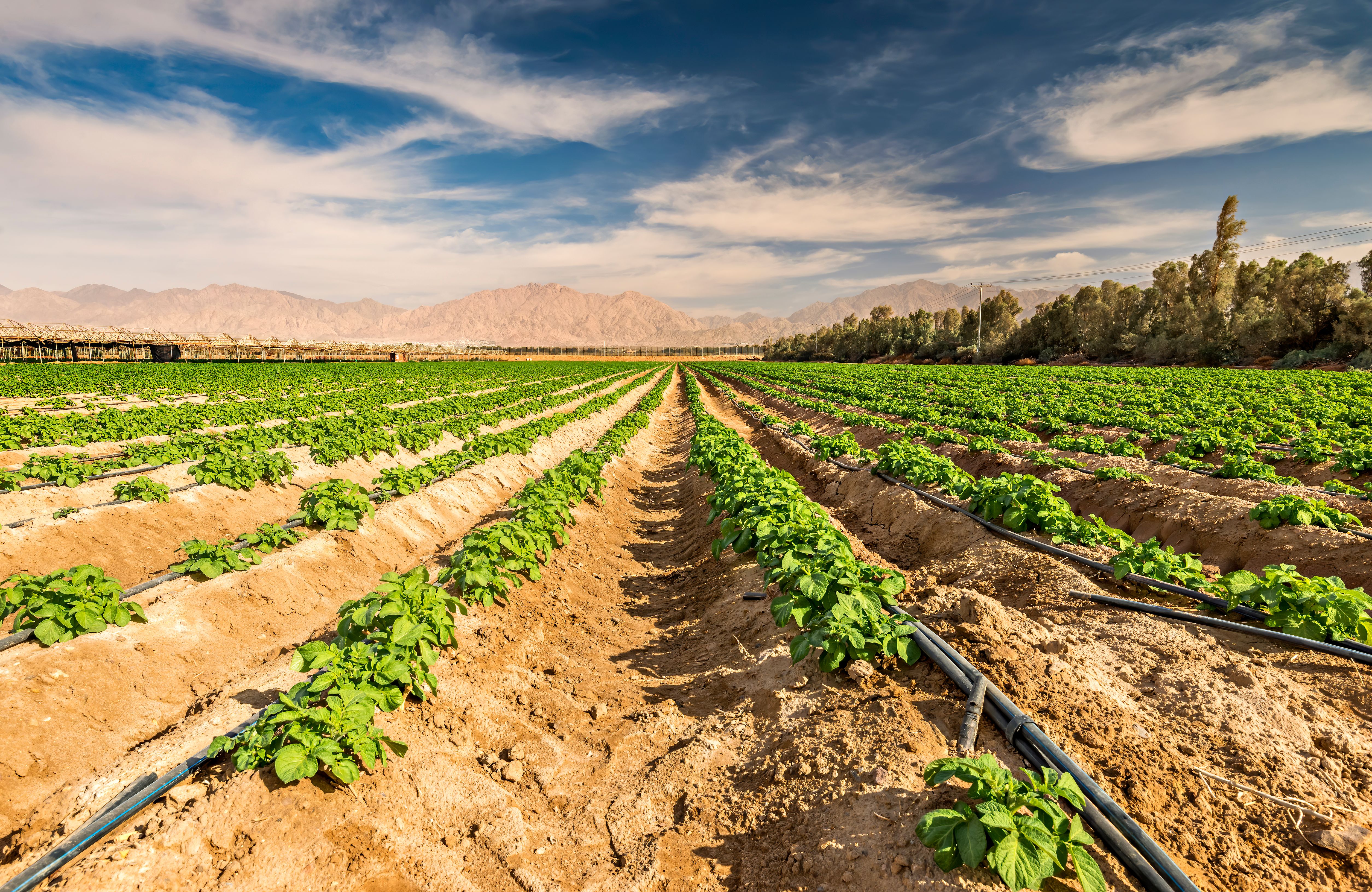
Challenges and Opportunities
While the prospects are promising, the global fruit export industry faces several challenges. Logistical issues, such as transportation delays and storage concerns, can impact the freshness and quality of fruits. Exporters must navigate these hurdles to ensure timely delivery to international markets.
Despite these challenges, there are numerous opportunities for growth. The rising demand for fresh and exotic fruits in Europe, Asia, and North America presents a significant opportunity for Middle Eastern exporters. By leveraging robust supply chains and adopting innovative solutions, exporters can capitalize on these emerging markets.

Strategies for Success
To excel in the competitive global market, fruit exporters can adopt a few key strategies:
- Enhancing Quality Control: Implementing stringent quality checks to ensure that fruits meet international standards.
- Building Strong Partnerships: Collaborating with local and international distributors to expand market reach.
- Investing in Technology: Utilizing advanced technologies for better storage, packaging, and transportation.
These strategies can help exporters not only retain existing customers but also attract new ones, thereby expanding their global footprint.
The Future of Fruit Exportation
Looking ahead, the future of fruit exportation from the Middle East appears bright. Sustainability is becoming a key focus, with exporters exploring eco-friendly practices to reduce their carbon footprint. Additionally, the integration of digital solutions is streamlining operations and boosting efficiency.
As global demand for fresh produce continues to rise, Middle Eastern exporters are well-positioned to meet the needs of a diverse array of markets. By staying adaptable and innovative, they can continue to play a vital role in the global food supply chain.