
Expert Tips for Navigating Seasonal Fruit Imports in the Middle East


As the global demand for fresh produce continues to rise, the Middle East has become a burgeoning market for seasonal fruit imports. Navigating this unique landscape requires a keen understanding of regional preferences, logistics, and market trends. Here are some expert tips to help you successfully manage fruit imports in this dynamic region.
Understanding Regional Preferences
The Middle East is a diverse region with varied tastes and preferences when it comes to fruit consumption. Understanding these preferences is crucial for successful import strategies. For instance, dates, pomegranates, and citrus fruits are particularly popular in many Middle Eastern countries. Conducting thorough market research can help you identify the specific fruits that are in demand and tailor your offerings accordingly.

Seasonal Trends and Timing
Timing is everything in the fruit import business. Importers need to be aware of the seasonal trends that affect fruit availability and prices. For example, certain fruits may be more abundant during specific months, making them more affordable to import. Additionally, understanding local festivals and events can provide insights into peak demand periods.
Logistics and Supply Chain Management
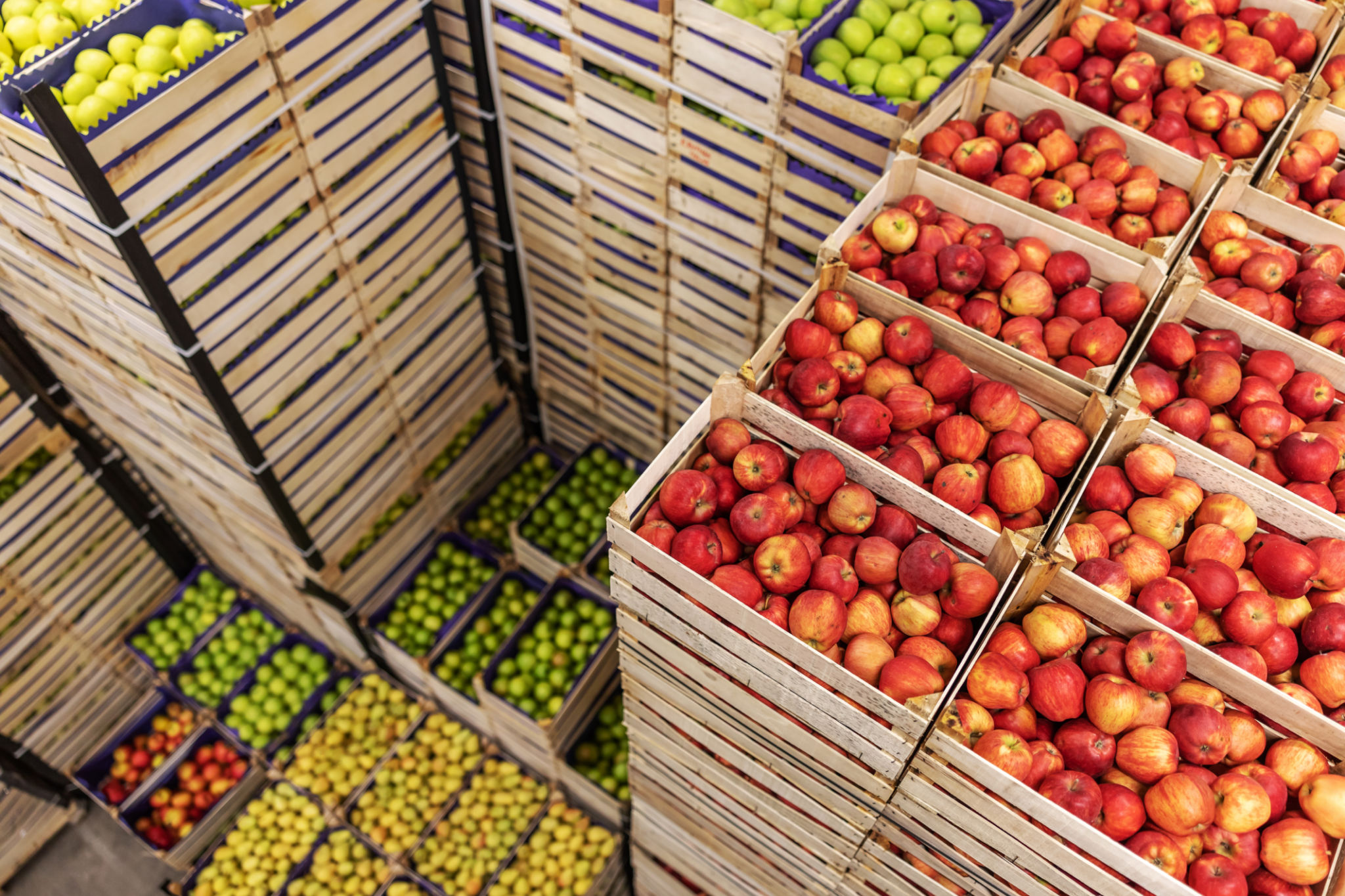
Efficient logistics are the backbone of any successful import operation. Working with reliable shipping partners and understanding the regional infrastructure can significantly impact the freshness and quality of your imported fruits. Consider the following logistical aspects:
- Transportation routes and options
- Customs regulations and duties
- Storage facilities and temperature control
Building Strong Relationships with Suppliers
Establishing and maintaining strong relationships with suppliers is vital. A reliable supplier can provide consistent quality and timely deliveries, which are essential for customer satisfaction. Engage in regular communication and negotiate terms that benefit both parties to foster a long-term partnership.
Navigating Regulatory Requirements
Each country in the Middle East has its own set of import regulations and standards. It is crucial to stay informed about these requirements to avoid potential fines and delays. This may include certification for organic produce, pesticide usage, and food safety standards. Working with local experts or consultants can help you navigate these complexities.

Leveraging Technology for Better Management
Technology plays an increasingly important role in managing fruit imports. Utilizing advanced software for inventory management, tracking shipments, and analyzing market data can streamline operations and improve decision-making. Consider investing in tools that offer real-time insights and automate routine tasks.
Marketing and Consumer Engagement
Once your fruits have successfully reached the Middle East market, effective marketing strategies are essential for driving sales. Engage consumers through social media, local events, and promotions to increase brand awareness and loyalty. Highlight the freshness, quality, and origin of your fruits to differentiate your offerings from competitors.
By following these expert tips, you can navigate the complexities of seasonal fruit imports in the Middle East and establish a thriving business in this promising market. Stay informed, adapt to changes, and continuously seek ways to optimize your operations for sustained success.