
Eco-Friendly Practices in Vegetable Exporting: A Middle East Perspective


The global demand for fresh vegetables has been on the rise, and the Middle East is emerging as a significant player in the export market. However, with this growth comes the responsibility to maintain sustainable and eco-friendly practices. In this context, Middle Eastern countries are focusing on innovative strategies to minimize environmental impact while maximizing productivity.
Adoption of Sustainable Farming Techniques
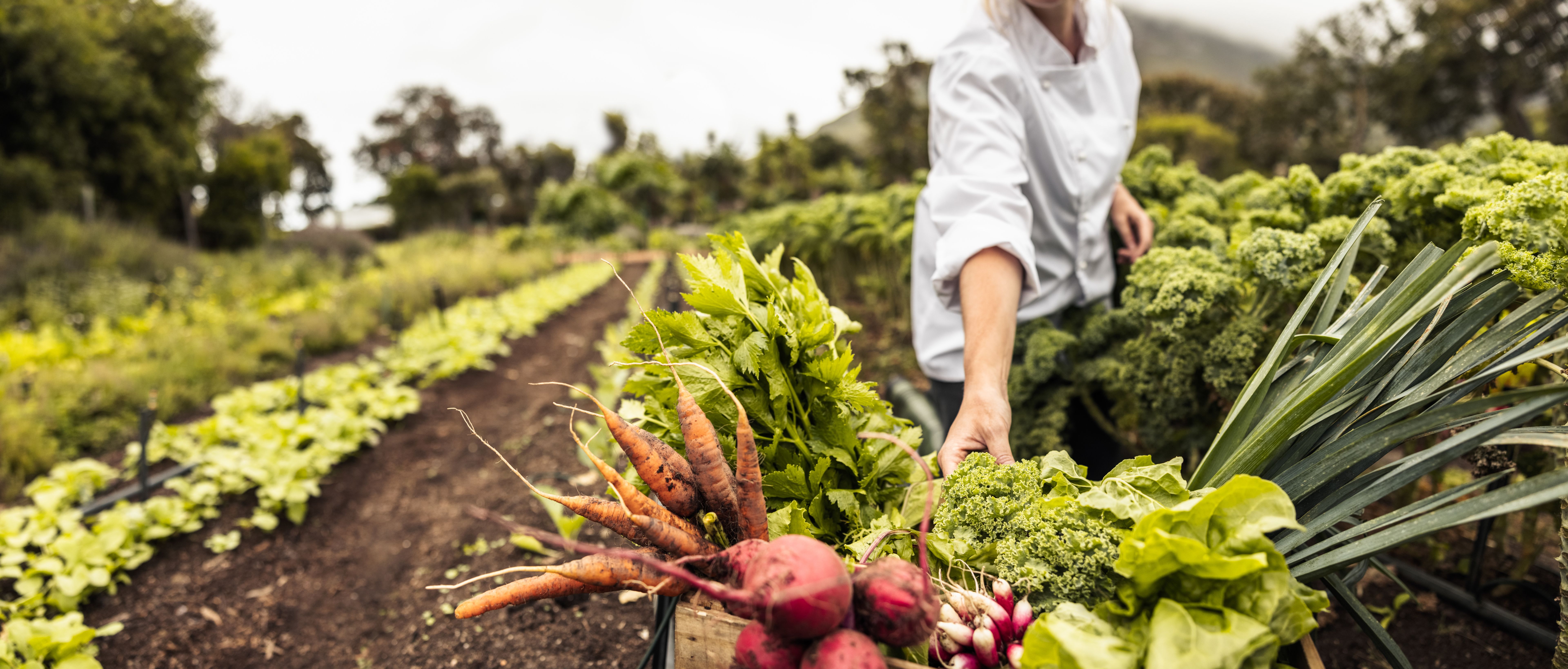
One of the core practices in eco-friendly vegetable exporting is the adoption of sustainable farming techniques. These include crop rotation, organic farming, and the use of natural fertilizers. By reducing reliance on chemical inputs, farmers can cultivate healthier crops, which are not only better for the environment but also safe for consumers.
Moreover, Middle Eastern countries are investing in research to develop drought-resistant crops. Given the arid climate of the region, such advancements are crucial in ensuring a steady supply of vegetables without exhausting water resources.
Efficient Water Management
Water scarcity is a significant challenge in the Middle East, making efficient water management a priority. Techniques such as drip irrigation and rainwater harvesting are being increasingly adopted. These methods help conserve water and ensure that crops receive the necessary hydration without wastage.
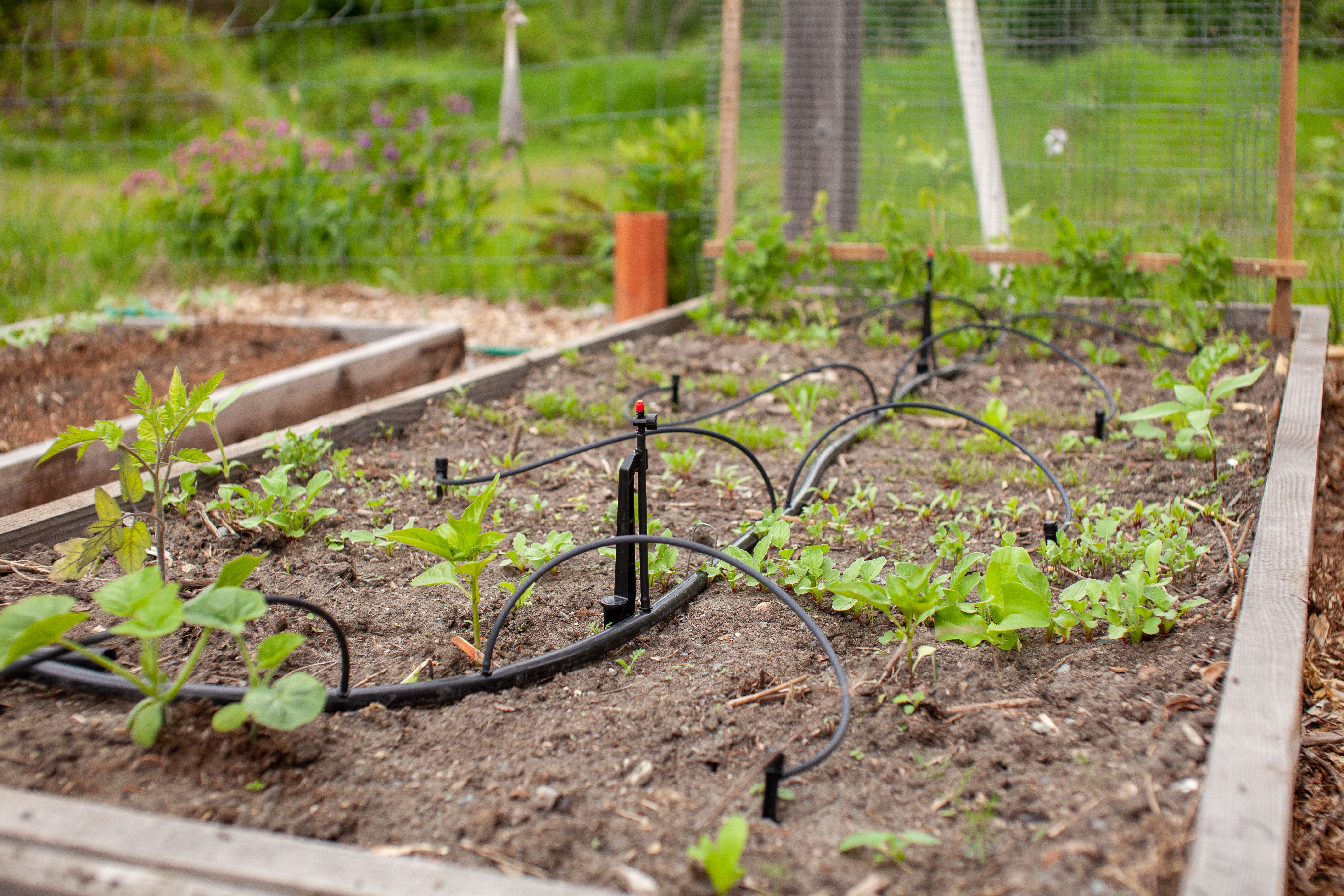
Additionally, the use of technology to monitor soil moisture levels allows farmers to optimize water usage further. This not only supports sustainable agriculture but also reduces costs, making vegetable exporting more profitable.
Minimizing Carbon Footprint
Transportation of vegetables to international markets can contribute significantly to carbon emissions. To address this, exporters in the Middle East are exploring ways to minimize their carbon footprint. This includes optimizing supply chain logistics and investing in energy-efficient transportation methods.
Furthermore, some exporters are exploring the possibility of localizing supply chains by establishing partnerships with nearby countries. This approach reduces transportation distances and, consequently, the associated emissions.

Packaging and Waste Reduction
Eco-friendly packaging is another area of focus. Exporters are increasingly using biodegradable and recyclable materials to package vegetables. This not only reduces plastic waste but also enhances the brand image by appealing to environmentally conscious consumers.
Efforts are also being made to reduce food waste. By improving storage facilities and using advanced preservation techniques, exporters can ensure that more produce reaches international markets without spoilage.

Collaborative Efforts and Future Outlook
The shift towards eco-friendly practices in vegetable exporting is a collaborative effort involving governments, private sectors, and research institutions. By working together, these stakeholders are setting standards and creating policies that promote environmental sustainability.
As consumer awareness and demand for sustainable products continue to grow, the Middle East's commitment to eco-friendly practices will likely strengthen its position in the global vegetable market. By prioritizing sustainability, the region not only secures its economic future but also contributes to global environmental efforts.