
A Guide to Importing Exotic Fruits to the Middle East: What You Need to Know


Importing exotic fruits to the Middle East is a lucrative opportunity, given the region's growing demand for diverse and unique flavors. However, navigating the import process requires understanding specific regulations and market dynamics. This guide will walk you through the essential steps and considerations.

Understanding Market Demand
The Middle East has seen a surge in demand for exotic fruits like dragon fruit, mangosteen, and rambutan. This is driven by an increasingly health-conscious population and globalization of culinary tastes. Researching local consumer preferences is crucial to select the right fruits for import.
Engage with local distributors and retailers to gauge interest levels and understand price points. It’s essential to tailor your offerings to match the tastes and needs of the target market.
Regulatory Requirements
Importing fruits involves adhering to strict regulatory standards. Compliance with local food safety regulations is mandatory to ensure that imported fruits meet health and safety standards. Key aspects include:
- Obtaining an import license
- Meeting quarantine requirements
- Adhering to packaging and labeling regulations

Logistics and Supply Chain
Efficient logistics and supply chain management are vital for maintaining the quality and freshness of exotic fruits. Opt for reliable cold chain solutions to preserve the fruits during transit. Consider the following logistical aspects:
- Choosing a reputable freight forwarder
- Ensuring proper storage conditions
- Minimizing transit times
It’s also beneficial to establish relationships with local logistics providers who understand the regional infrastructure and can offer tailored solutions.
Marketing Strategies
Successfully importing exotic fruits also involves effective marketing strategies to introduce these products to consumers. Highlight the unique flavors and health benefits of the fruits to attract health-conscious consumers. Use social media and local food influencers to create buzz.
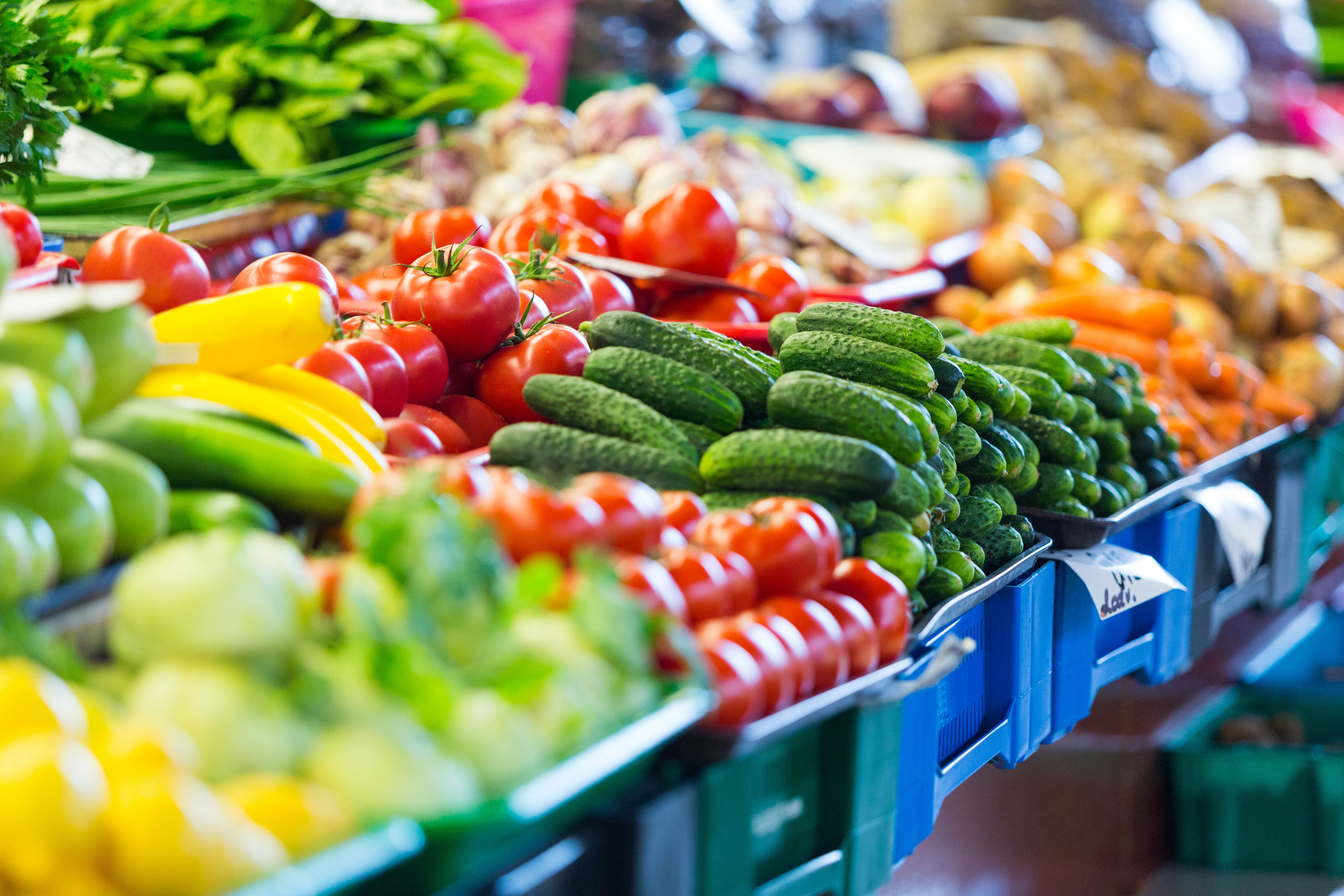
Collaborating with local chefs and restaurants can also help showcase the versatility of exotic fruits in culinary applications, further boosting demand.
Building Relationships
Strong relationships with suppliers and local partners are crucial for long-term success. Establishing trust with suppliers ensures a steady supply of high-quality fruits. Additionally, partnering with local distributors can help navigate the market and expand your reach.
Regular communication and clear agreements with all partners will help in managing expectations and addressing any challenges that arise.
By understanding the market dynamics, regulatory requirements, and effective marketing strategies, you can successfully import exotic fruits to the Middle East, tapping into a growing market with vast potential.